
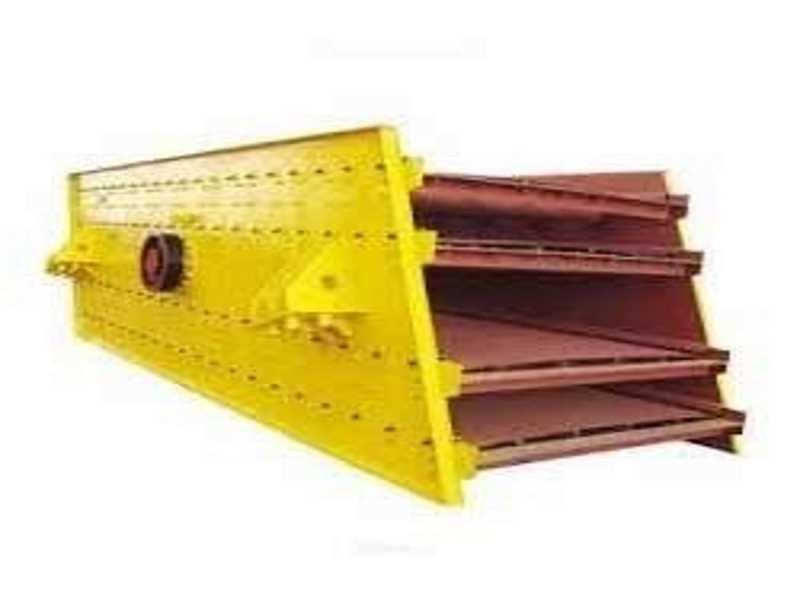
The screen decides which sizes you can sell. Learn how decks, mesh openings, angle and stroke affect screening efficiency.
Crushers make rock smaller, but vibrating screens decide which sizes you can actually sell. A poorly set screen sends good product back to the crusher or lets oversize into the stockpile.
Decks
A screen has one to four decks stacked above each other. Each deck separates one size, so a three-deck screen produces four products: for example 40 mm, 20 mm, 10 mm and dust.
Mesh and openings
- Woven wire mesh: the most common, with a high open area for good capacity.
- Polyurethane or rubber panels: longer life and quieter, useful for wet or abrasive material.
- Opening size: usually slightly larger than the product size because particles pass at an angle.
What affects efficiency
| Factor | Tip |
| Bed depth | Too thick and fines cannot reach the mesh |
| Screen angle | Steeper angles move material faster but screen less |
| Stroke and speed | Match them to the material size |
| Feed distribution | Spread feed across the full width |
| Moisture | Sticky fines blind the mesh: use spray bars or anti-blinding mesh |
Vibrating grizzly feeders
At the front of the plant, a vibrating grizzly feeder delivers rock evenly to the jaw crusher and lets fines bypass it, increasing capacity and reducing wear.
Talk to our engineers
Every site is different. Share your material, feed size, required output and site conditions through our sales inquiry form or call us, and the Shree Conmix Engineers team in Ahmedabad will recommend the right equipment.